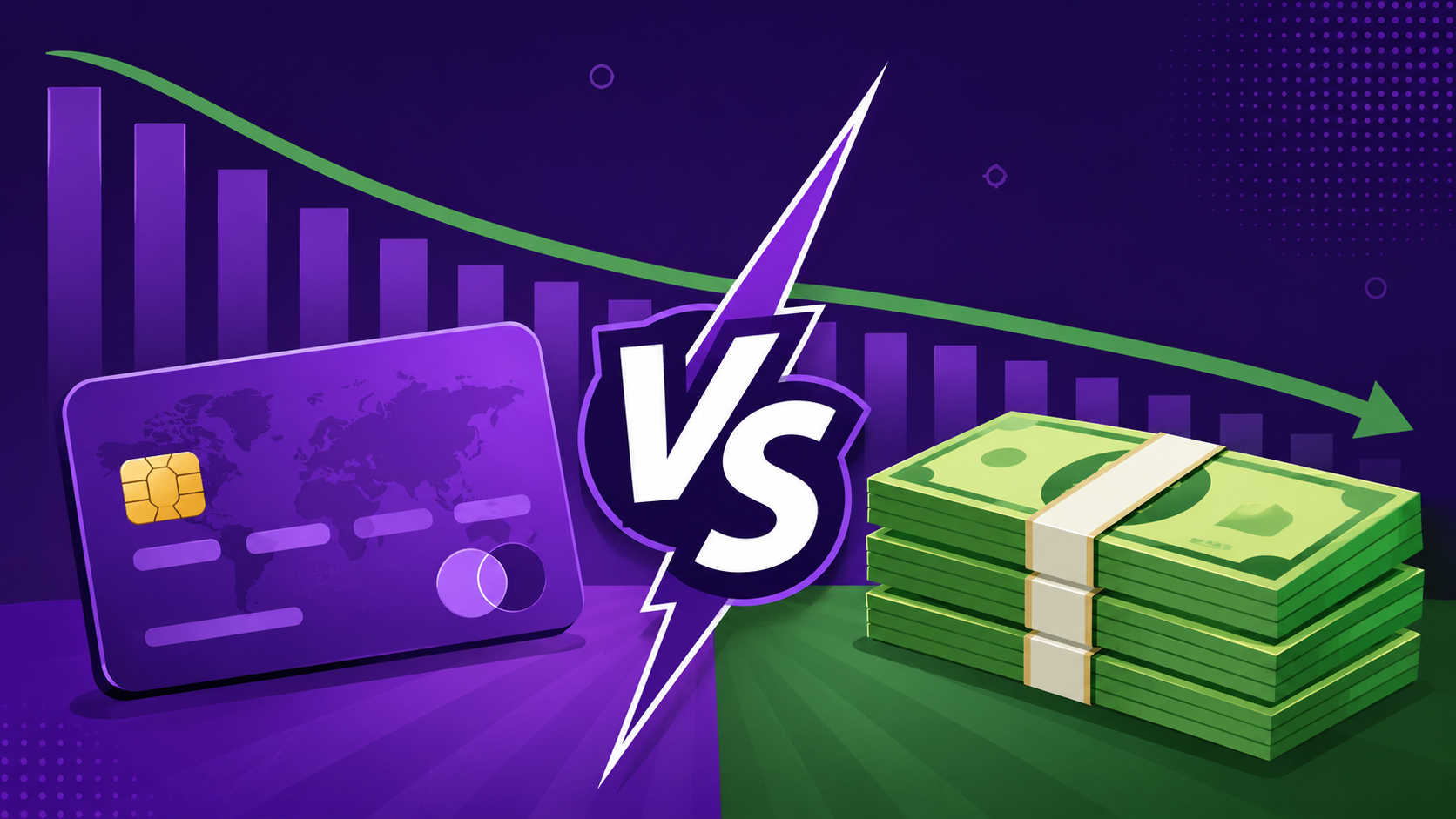
When debt from multiple sources is piling up, consolidation is often the smartest path forward. The two most common tools for consolidation are personal loans and balance transfer credit cards. Each has distinct advantages, costs, and risks. Understanding the differences can save you thousands in interest and help you become debt-free faster.
How Debt Consolidation Works
Debt consolidation means combining multiple debts into a single account — ideally one with a lower interest rate. Instead of juggling five payments with five different rates, you make one payment at one rate. The goal is to reduce total interest paid, simplify your finances, and create a clear payoff timeline.
Personal Loans for Consolidation
A personal loan provides a lump sum you use to pay off existing debts. You then repay the loan in fixed monthly installments over a set term — typically two to seven years. Rates range from roughly 6% to 36% depending on your creditworthiness. The fixed structure creates discipline: you have a defined payoff date and a consistent payment.
Balance Transfer Credit Cards
Balance transfer cards offer a promotional 0% APR for a limited period — typically 12 to 21 months. You transfer your high-interest balances onto the new card and pay no interest during the promotional window. If you can eliminate the balance before the promotion ends, you save substantially. Most cards charge a transfer fee of 3–5% of the amount moved.
When a Personal Loan Wins
Choose a personal loan when you need a longer repayment timeline than a balance transfer window allows, when the loan APR is lower than what credit cards typically charge after the promotional period, or when you need the discipline of a fixed payoff schedule. Personal loans also don't tempt you to run up new charges the way open credit cards do.
When a Balance Transfer Card Wins
A balance transfer card is ideal when the balance is manageable enough to pay off within the promotional period. If you have $8,000 in debt and can pay $500–$700 per month, a 15-month 0% APR card lets you eliminate the debt with zero interest — far better than any loan rate. Discipline is the deciding factor.
Credit Score Implications
Both options impact your credit score in different ways. A personal loan adds an installment account to your mix, which can improve your credit profile. A balance transfer card increases your available revolving credit and reduces your utilization ratio, also potentially positive — but hard inquiries from multiple applications can cause a temporary dip.
Watch Out for These Pitfalls
With personal loans: watch for origination fees that can offset interest savings. With balance transfers: watch for the regular APR after the promotional period, which can be 20–30%. In both cases, avoid accumulating new debt on the accounts you just paid off. Consolidation only works if the underlying spending behavior changes.
Making the Right Choice
Compare the total cost of each option over your realistic payoff timeline. Use online calculators to model both scenarios with your actual numbers. If you have excellent credit and a manageable balance, a 0% transfer card is hard to beat. If the debt is larger or the timeline longer, a personal loan at a competitive rate provides more predictability and structure.