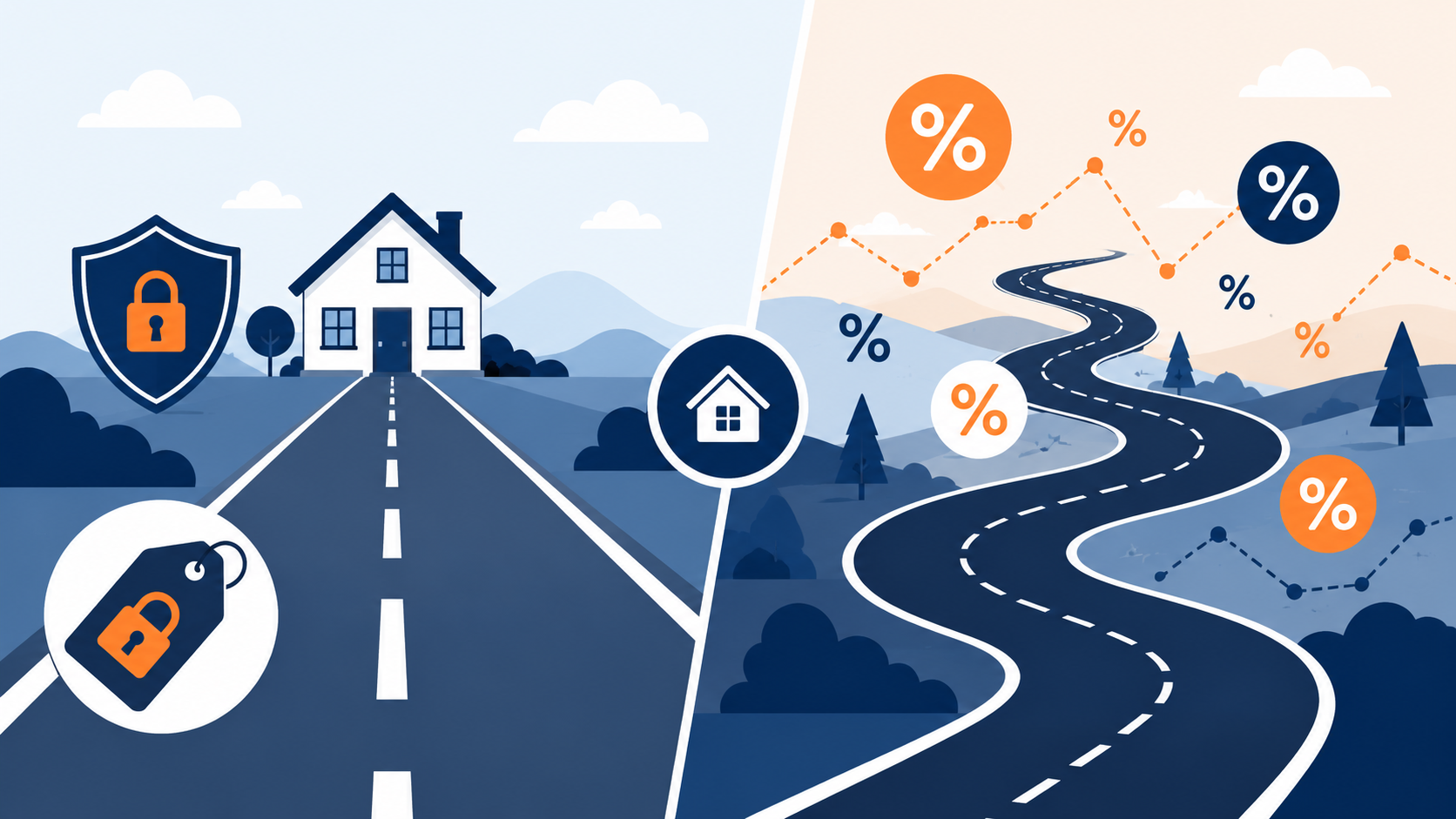
Refinancing your mortgage replaces your existing loan with a new one — ideally at a lower rate, better terms, or both. When done strategically, refinancing can save hundreds of dollars per month and tens of thousands over the life of the loan. This guide walks you through the entire process so you can determine whether refinancing makes sense for you and how to get the best possible deal.
Reasons to Refinance
Homeowners refinance for several reasons: to secure a lower interest rate, to shorten the loan term, to convert from an ARM to a fixed rate, to tap home equity through a cash-out refinance, or to remove private mortgage insurance once they've built sufficient equity. Each goal has different implications for loan structure and timing.
The Break-Even Calculation
Refinancing costs money upfront — typically 2–3% of the loan amount in closing costs. Calculate your break-even point by dividing total closing costs by your monthly savings. If refinancing costs $6,000 and saves you $200 per month, you'll break even in 30 months. If you plan to stay in the home longer than that, refinancing likely makes financial sense.
Rate-and-Term Refinances
The most common type of refinance simply changes your interest rate, your loan term, or both without altering the loan balance. Going from a 30-year loan at 7% to a 15-year loan at 5.5% dramatically accelerates equity building while potentially reducing total interest paid by a six-figure amount, though monthly payments will rise.
Cash-Out Refinances
A cash-out refinance lets you borrow more than you owe and receive the difference in cash. Homeowners use this for home improvements, debt consolidation, college tuition, or investment opportunities. Lenders typically allow you to borrow up to 80% of your home's appraised value. Be cautious — you're converting equity into debt and extending your repayment timeline.
Streamline Refinancing Options
FHA, VA, and USDA loans each offer streamline refinancing programs that require minimal documentation and no new appraisal. These programs are designed to make refinancing accessible and fast for borrowers who are current on their payments and seeking a lower rate. Check with your current servicer to see if you qualify.
Steps in the Refinancing Process
The process mirrors an original mortgage application: check your credit, gather documents, shop multiple lenders, submit an application, go through underwriting and appraisal, and close. The main difference is that you're working with a home you already own. The timeline is typically 30–45 days from application to closing.
Common Mistakes to Avoid
Don't refinance too frequently — each refinance resets your amortization clock, meaning you'll pay more interest in the early years of the new loan. Don't ignore closing costs or roll them into the loan without accounting for the added interest. Don't stop making payments on your current mortgage until the refinance is officially closed.
Is Now the Right Time?
Timing a refinance perfectly is impossible, but you can make informed decisions. If you can reduce your rate by at least 0.75–1%, if your credit score has improved significantly since your original loan, or if your home has appreciated enough to remove PMI, refinancing is worth exploring. Talk to three lenders, compare Loan Estimates, and run the numbers for your specific situation.